Markets · delayed Markets · delayed · loading…
Section · worldwide desk

Science

Discovery, space and the natural world — what the research actually says, and what it hasn't proven yet.

5 stories · 3 regions · all of them, from everywhere — your saved place never narrows a desk.

Region
Topic Topic pages ↓
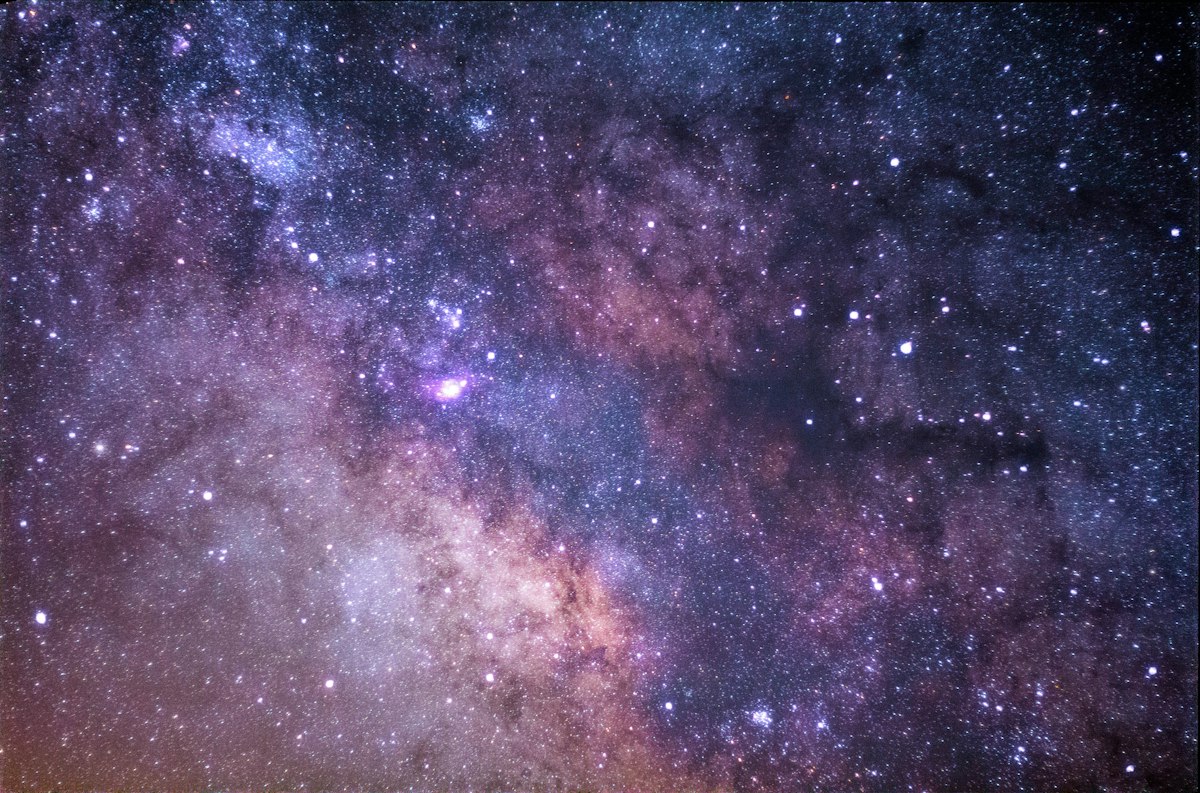
A dense field of stars and the Milky Way (illustrative)
Science Southern AfricaSpace Checked story

A flash from the young universe: MeerKAT helps pinpoint the most distant fast radio burst yet

South Africa's MeerKAT telescope detected a millisecond flash that travelled for more than 10 billion years, and NASA's Webb telescope found its small home galaxy. The work also shows what the bigger SKA-Mid array, now being built around MeerKAT, is being made to do.

5 verified· 0 disputed· 1 not yet verified· 0 corrected
Your take
Sign in to record your take — it’s free, so one person counts once
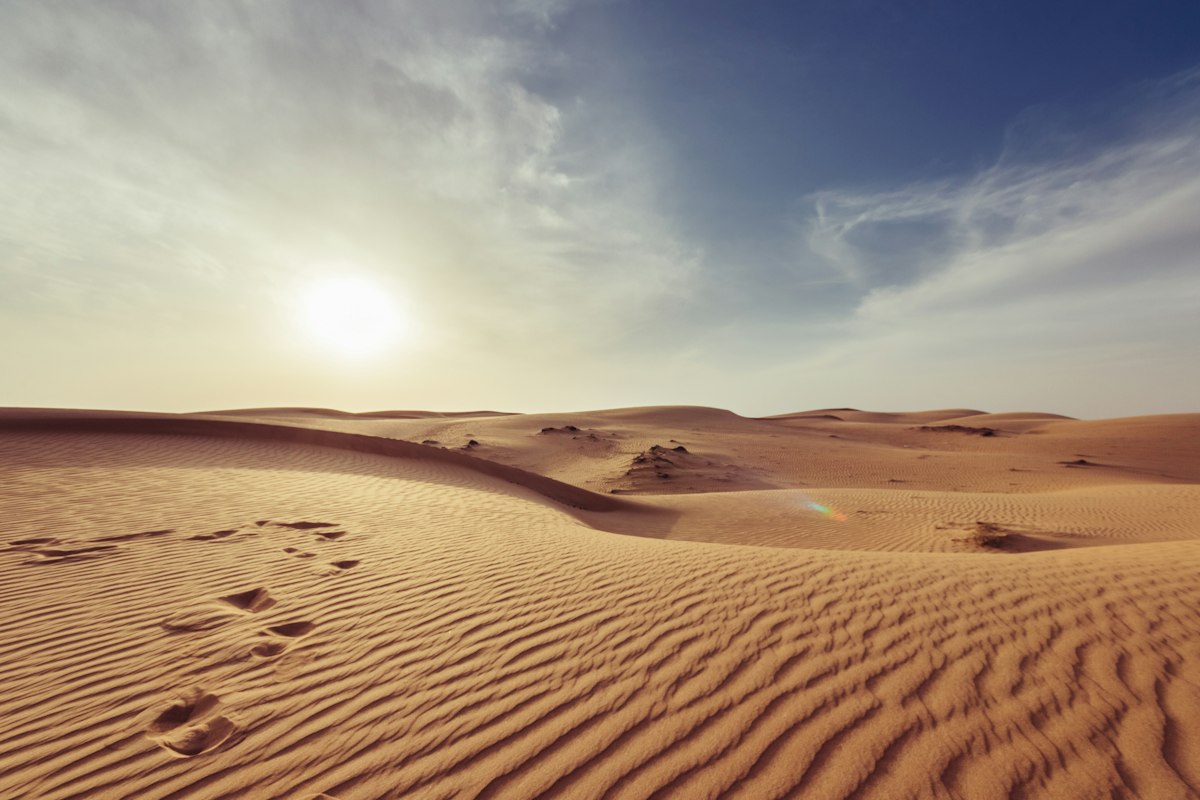
Rippled sand dunes under a bright sun (illustrative)
Science AfricaEarth Checked story

The desert that feeds a forest: how Sahara dust carries phosphorus to the Amazon

NASA satellites measured dust leaving the Sahara, crossing the Atlantic and falling on the Amazon. The phosphorus in that dust, about 22,000 tons a year, is roughly what the rainforest loses to rain and flooding.

5 verified· 0 disputed· 0 not yet verified· 0 corrected
Your take
Sign in to record your take — it’s free, so one person counts once
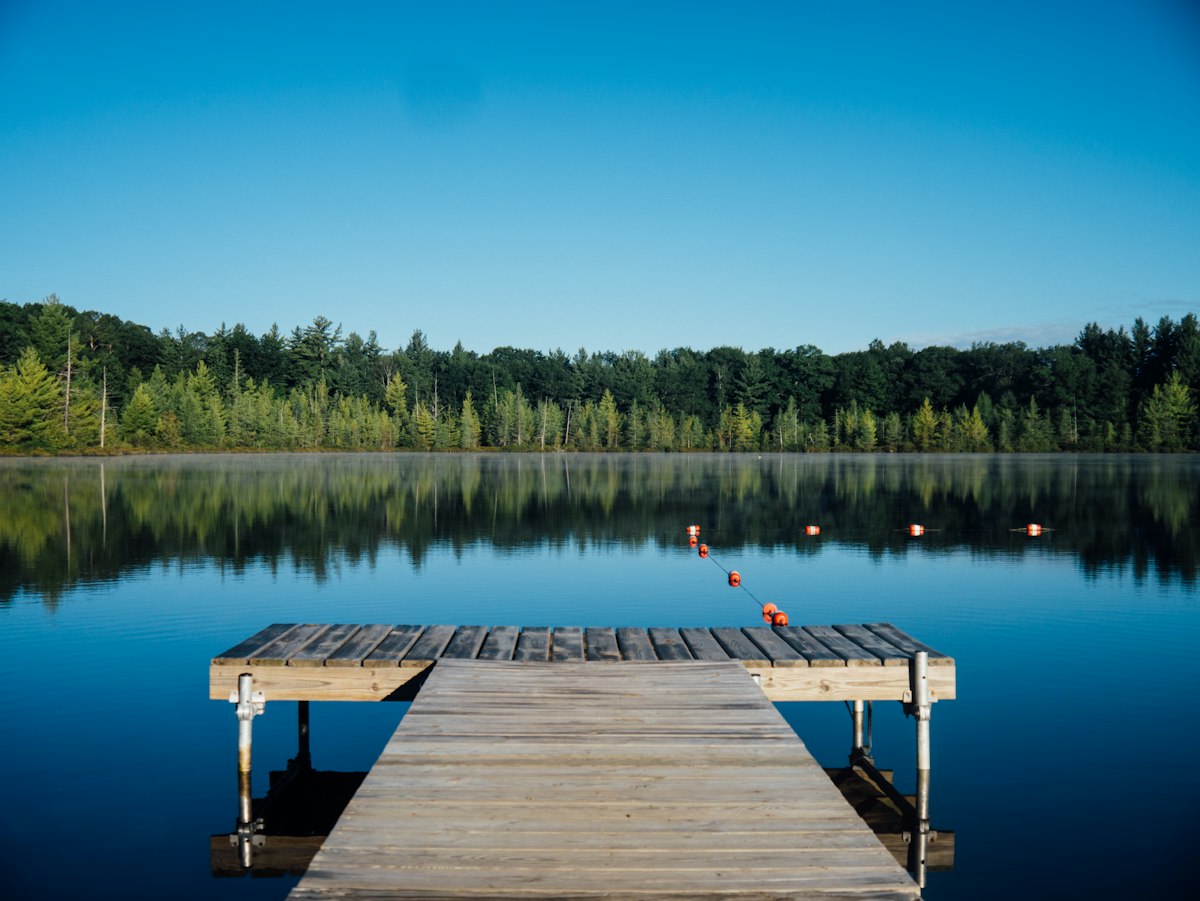
A wooden jetty reaching into a calm lake (illustrative)
Science Central AfricaClimateWater Checked story

Is Lake Chad still shrinking? The famous story, and what newer satellite work says

Lake Chad really did collapse in the droughts of the 1970s and 1980s. But a multi-satellite study found its extent has been stable for two decades and that it is not shrinking now - which is why the simple 'shrinking lake' story needs care.

4 verified· 1 disputed· 0 not yet verified· 0 corrected
Your take
Sign in to record your take — it’s free, so one person counts once
A glowing model of a DNA double helix (illustrative)
Science AfricaResearch Checked story

Reading 426 African genomes found more than 3 million variants science had never seen

An H3Africa study sequenced 426 people from 50 ethnolinguistic groups and uncovered more than 3 million previously undescribed genetic variants. It is a plain measure of how much of Africa's diversity global databases had missed.

5 verified· 0 disputed· 0 not yet verified· 0 corrected
Your take
Sign in to record your take — it’s free, so one person counts once
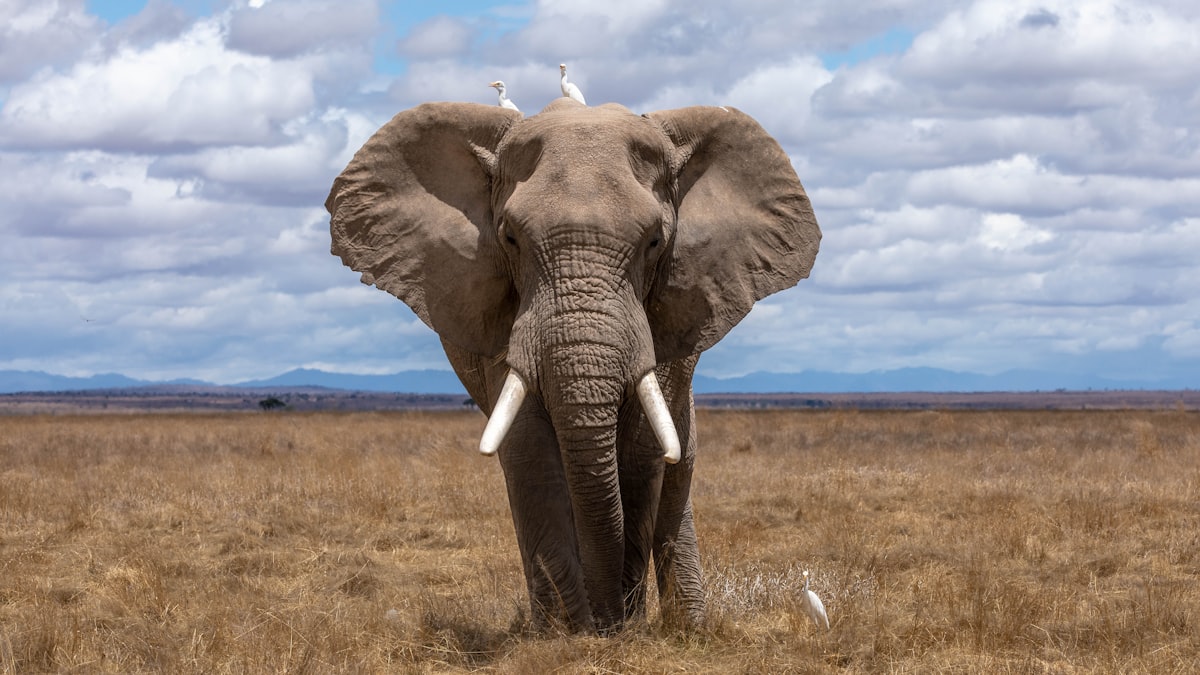
An elephant facing the camera in dry grassland (illustrative)
Science Central AfricaWildlife Checked story

Forest elephants are Critically Endangered: what the IUCN assessment actually found

In 2021 the IUCN assessed Africa's two elephant species separately for the first time. Forest elephants, down more than 86% in 31 years, were listed as Critically Endangered, and savanna elephants, down at least 60% in 50 years, as Endangered.

5 verified· 0 disputed· 0 not yet verified· 0 corrected
Your take
Sign in to record your take — it’s free, so one person counts once
✓

Latest Science checks

Verified

The burst travelled for more than 10 billion years, and Webb measured its host galaxy at a redshift of 2.148, from when the universe was only 3 billion years old.

From: A flash from the young universe
Verified

SKA-Mid's first-fringes test combined two of its 15-metre dishes to observe a radio galaxy estimated to be around 2.6 billion light years away.

From: A flash from the young universe
Verified

The phosphorus reaching Amazon soils from Saharan dust is an estimated 22,000 tons per year, about the same amount as the forest loses to rain and flooding.

From: The desert that feeds a forest
↗

From the other desks

TravelEast Africa Checked story

Zanzibar's record year: 917,167 visitors — and an argument about whether more is better

Zanzibar received 917,167 international visitors in 2025, up 24.5% on 2024 and the highest total in its history, on official statistics. December alone brought more than 100,000 arrivals. Now operators and officials are debating whether the island should chase a million visitors — or chase higher spending per visitor instead.