BioNTech's Kigali plant: inaugurated in 2023, built for vaccines Africa has not had - but not yet a working factory story
BioNTech inaugurated its Kigali site in December 2023, built around container-like BioNTainer units, with about USD 150 million committed and room for up to 50 million doses a year of a COVID-like product. Its own plan put test production for validation in 2025 - commercial supply is a later step, and we found no confirmation it has begun.
Key points
- BioNTech inaugurated its Kigali site on 18 December 2023, as its first BioNTainer unit was set up.
- The company committed about USD 150 million; the site covers about 35,000 square metres and would employ about 100 people when fully operational.
- For a product with an RNA process similar to the Pfizer-BioNTech COVID-19 vaccine, the site could make up to 50 million doses a year.
- The plan was buildings and training in 2024, then test production for process validation in 2025 - before any commercial supply.
What happened
During the COVID-19 pandemic, Africa waited at the back of the queue for vaccines made elsewhere. One answer proposed since then is to make vaccines on the continent itself. The African Union's ambition, restated by Africa CDC, is for 60% of the vaccines used on the continent to be produced locally by 2040.
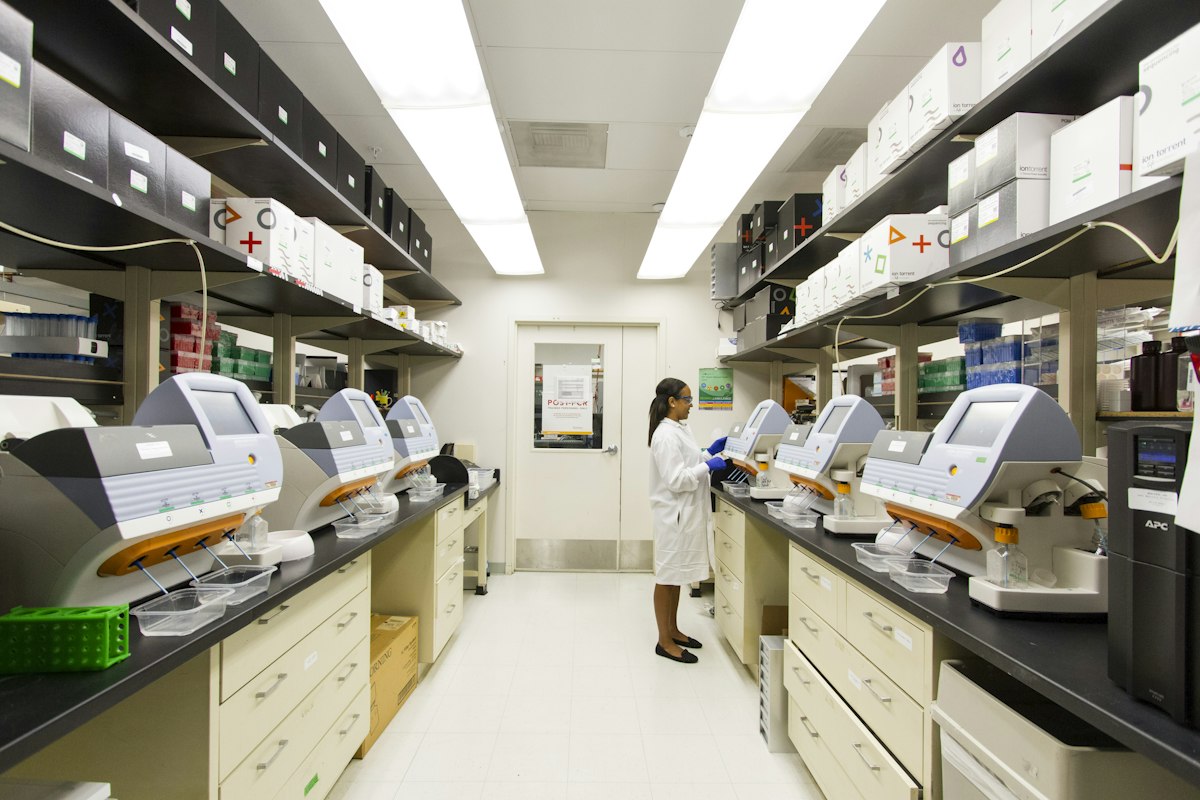
BioNTech, the German company behind one of the main COVID-19 vaccines, chose Kigali for its first African site. Instead of a conventional factory, the plant is built around BioNTainers - modular, digitally enabled manufacturing units that arrive as containers and are set up inside a hall. The first one was installed for the inauguration in December 2023.
Claim by claim
Why this label: From BioNTech's own announcement of the inauguration.
On the ladder: a claim earns Verified from primary evidence, or from two independent sources that do not copy each other.
Why this label: All three figures are from BioNTech's announcement.
On the ladder: a claim earns Verified from primary evidence, or from two independent sources that do not copy each other.
Why this label: BioNTech is careful that real capacity depends on the product, its dosage and its formulation - 50 million is an example figure, not a promise for every vaccine.
On the ladder: a claim earns Verified from primary evidence, or from two independent sources that do not copy each other.
Why this label: The company's words carry the condition: these vaccines must first be successfully developed and approved. None was an approved product at the time of the announcement.
On the ladder: a claim earns Verified from primary evidence, or from two independent sources that do not copy each other.
Why this label: Restated by Africa CDC in its own statements on local manufacturing.
On the ladder: a claim earns Verified from primary evidence, or from two independent sources that do not copy each other.
Why this label: We could not confirm this from BioNTech or Africa CDC sources. BioNTech's stated plan was to complete buildings and training in 2024 and start test production for process validation in 2025 - a step that comes before commercial supply. Treat claims of doses already flowing as unproven for now.
On the ladder: the evidence so far sits low — early, single or social sources. We publish the claim as a claim, never as fact.
What we know / what we don't know yet
What we know
- The site exists, was inaugurated in December 2023, and its first BioNTainer was set up, with a second planned to follow.
- The money, size and staffing figures above come from the company itself.
- The vaccines the plant is ultimately meant to make - for tuberculosis, malaria, HIV and mpox - were still in development, not approved products.
What we don't know yet
- Whether test production for validation began on the planned 2025 schedule - we found no company update confirming it.
- When the first commercial doses will leave Kigali, and for which disease.
Why it matters
A working mRNA plant in Kigali would mean East Africa is not starting from zero in the next pandemic, and it would train the specialists a whole industry needs. But an inauguration is not the same as production. Keeping those two apart is how readers can welcome the milestone without being misled about what has actually been made there.
Update history
No silent edits. Every change is written here, with its time.
- Latest
Story published.